Solusent
A business operations platform for the moment when what worked with five people breaks with twenty. Structured workflows, team management, and operational visibility built for daily adoption, not just quarterly reporting. React.js. 3-4 months.
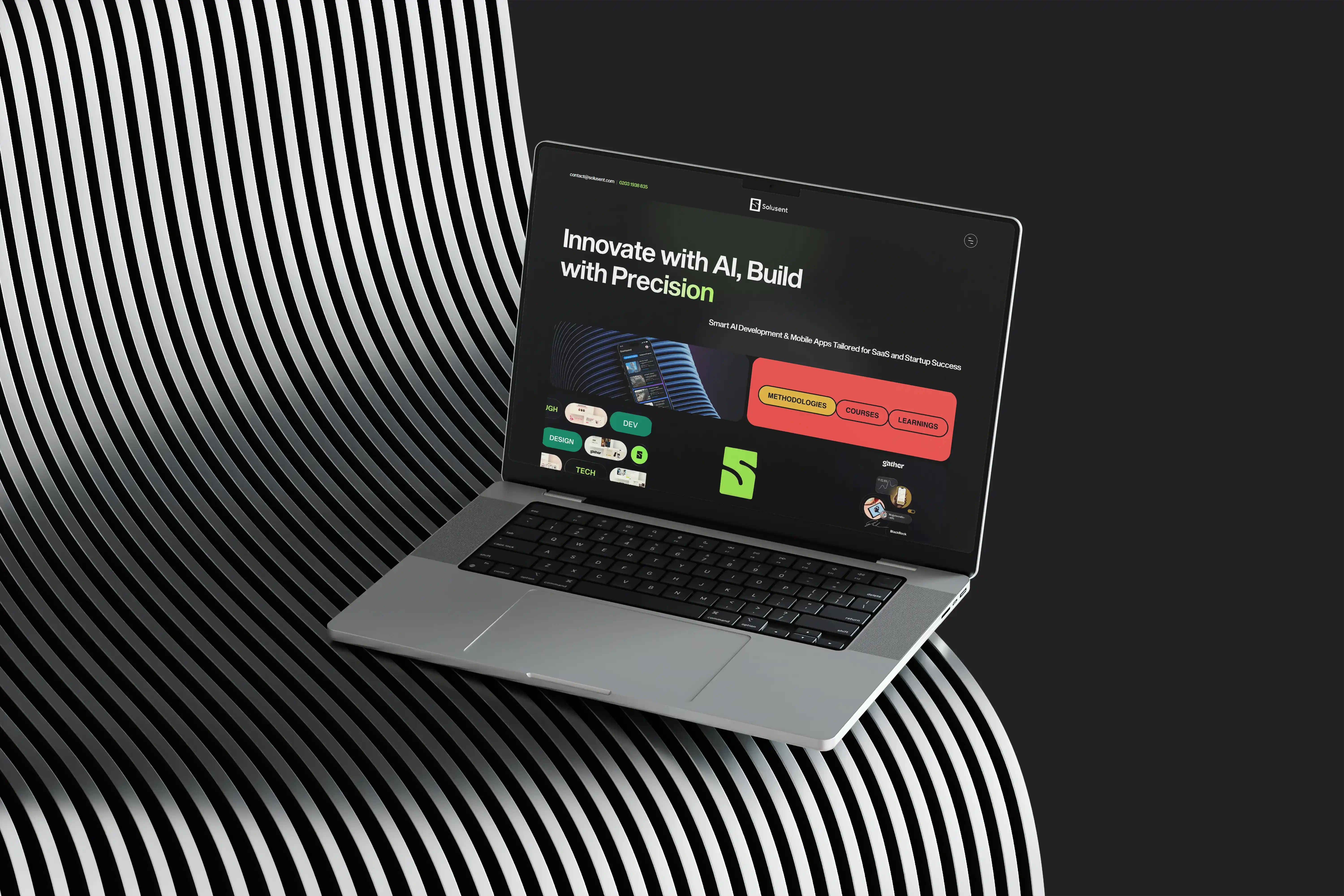
What We Delivered
The Situation
Growing businesses lose operational visibility at a specific inflection point. The processes that functioned through informal coordination and direct communication start breaking when the team exceeds the number of people who can be in the same room. What was manageable becomes chaotic. What was visible becomes opaque.
-
Visibility gap at scale
The business owner who could see everything with five people cannot see anything with twenty. Not because the information does not exist. Because it lives in individual inboxes, chat threads, and spreadsheets that no single view can aggregate.
-
Workflow rigidity versus flexibility
Too rigid and the team abandons the tool for workarounds. Too flexible and the tool provides no structure at all. The balance between structure and flexibility determines whether the platform earns daily use or becomes another tab nobody opens.
-
Adoption is the real metric
An operations platform the team does not use daily does not exist. The interface had to earn daily use by making the team's day genuinely easier, not by adding one more system to the collection of systems nobody maintains.
The operations tool that gets used daily is the one that makes the team's day easier. The one that gets abandoned is the one that made reporting easier for management.
The Approach
Phase 1
Workflow Design for Daily Adoption
Before features were defined, Empyreal mapped the daily workflows the platform needed to support. Not the quarterly reporting the management wanted. The daily operations the team actually performed.
Daily-use-first designEvery feature evaluated against a single question: does this save the team time compared to what they do now? Features that served reporting but added daily friction were deprioritised. Features that made the daily workflow faster were built first.
Structured flexibilityWorkflow templates that provide enough structure for consistency without so much rigidity that the team works around them. The template gets the team started. The flexibility lets them adapt it to how work actually flows.
Operational visibility as a consequenceManagement visibility built as a natural outcome of the team using the platform for their daily work. Not as a separate reporting layer the team must maintain. When the team does their work in the system, the operational picture assembles itself.
Phase 2
React.js Platform Build
React.js delivering the responsive, fast interactions that daily-use software demands.
React.js operations interfaceWorkflow management, team assignments, status tracking, and operational dashboards. Built for the information density operations teams need without the complexity that creates resistance to daily use.
Team managementAssignment, progress tracking, and workload visibility. Each team member sees their own priorities clearly. Managers see the team's priorities collectively. Both views update in real time.
Operational reportingMetrics, completion rates, and workflow performance generated from the daily activity the team is already performing. No separate data entry for reporting. The report is a view of the work, not a summary of it.
The Numbers
Solusent launched as the operations platform that earns daily use by making the team's day genuinely easier. The operational visibility management needs arrives as a natural consequence of the team doing their work in the system.
Mohit's Take
"The most important metric for an operations platform is daily active use. We designed every interaction around the question: does this save the team time compared to how they do it now? If the answer was no, the feature did not make it in. That discipline is what separates operations platforms that get used from operations platforms that get purchased. Management loves features. Teams love speed. We built for the teams."
— Mohit Ramani, Founder & Lead Architect, Empyreal Infotech
Tech Stack
The toolchain behind Solusent.
Start a Conversation About Your Product
You have a growing business where operational visibility is dissolving as the team scales. The question is whether the platform you build will earn daily adoption from the team, or become another system management purchased and nobody uses.
A discovery call with Empyreal is thirty minutes. You describe the operations. Empyreal listens, identifies where visibility breaks down, and tells you honestly what a platform designed for daily adoption would require.