LOST & FOUND
A lost item recovery platform that connects finders with owners through verified claims, secure handoffs, and reward logic. Flutter, Node.js, MongoDB. 16 weeks.
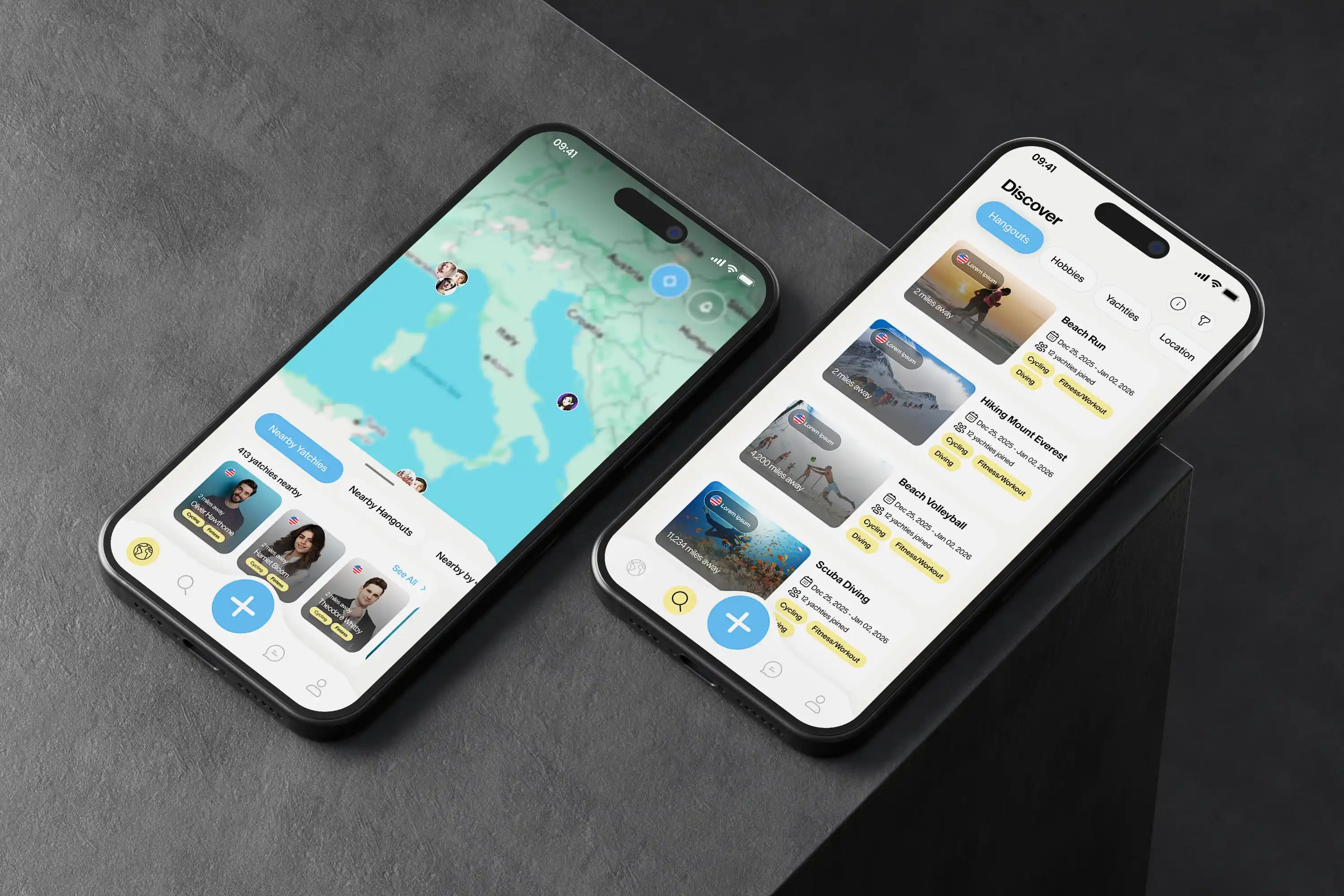
What We Delivered
The Situation
Losing something valuable produces a specific kind of anxiety. Not just the loss itself, but the knowledge that the item might be recoverable if only the right connection could be made. The person who found it and the person who lost it exist in the same city, sometimes the same building. What is missing is the infrastructure between them.
-
No structured recovery channel
Someone finds a wallet, a phone, a set of keys. They want to return it. There is no reliable, trusted way to do so. Social media posts, lost-and-found boxes, hoping the owner comes back. None of these scale.
-
Trust gap in both directions
The finder needs assurance they will not be accused of theft. The owner needs assurance the claim process is legitimate. Without trust architecture on both sides, recovery does not happen.
-
Verification without friction
Proving ownership of a lost item is harder than it sounds. Too strict and legitimate owners are blocked. Too loose and anyone claims anything.
-
Reward complexity
When a reward is involved, the platform needs to handle the financial exchange cleanly. Goodwill alone does not sustain a recovery platform.
-
Location sensitivity
Lost items are location-specific. A platform that cannot match geographic proximity to a found item listing is a platform that produces noise instead of recovery.
The problem was never that people do not want to return lost items. The problem was that returning them felt harder than keeping them.
The Approach
Phase 1
Product Strategy and Trust Design
Before any screens were designed, Empyreal mapped the emotional journey of both user types. A person reporting a lost item is anxious. A person reporting a found item is uncertain about liability. Both need the platform to feel safe before they will act.
Dual-journey mappingSeparate emotional and functional journeys for finders and owners, identifying where each user type needs reassurance and where friction must be eliminated.
Verification frameworkA claim verification system that balances security with usability. The owner describes specific details only the true owner would know. The platform validates without creating a cross-examination.
Reward and handoff designFinancial flows for optional rewards, structured through Stripe, with the platform facilitating without inserting itself into a moment that should feel human.
Phase 2
Flutter Mobile App
Flutter for cross-platform consistency. The recovery window for lost items is narrow. The app needed to be fast to use, clear in its purpose, and accessible in a moment of stress.
Item posting flowMinimal friction for both reporting lost and found items. Photos, location, description, and category captured in under two minutes.
Matching and notificationGeographic and category-based matching that alerts potential matches in real time. When someone finds a wallet three blocks from where you lost yours, the notification needs to arrive while both people are still in the area.
Secure communicationIn-app messaging that protects both parties until the handoff is confirmed. Privacy is not a feature. It is the reason people use the platform instead of a social media post.
Phase 3
Backend and Data Architecture
Node.js with MongoDB, handling real-time matching, location data, and the claim verification logic that makes recovery trustworthy.
Geospatial matchingLocation-aware data queries matching found items with lost item reports within defined proximity, ranked by recency and category match.
Claim verification engineBackend logic managing the verification exchange between claimant and finder, with enough structure to prevent fraud and enough simplicity to avoid frustrating legitimate owners.
Stripe reward processingClean payment flows for reward transactions, with the platform handling the financial infrastructure so the human moment of recovery is not interrupted by payment friction.
The Numbers
LOST & FOUND launched as a platform that turns the accidental moment of finding something into a structured path back to the person who lost it.
Mohit's Take
"The hardest design problem was the verification system. Too much friction and a legitimate owner gives up. Too little and the system loses credibility. We tested twelve variations of the claim flow before we found the balance. That kind of iteration is invisible in the final product, but it is the reason the product works."
— Mohit Ramani, Founder & Lead Architect, Empyreal Infotech
Tech Stack
The toolchain behind the LOST & FOUND platform.
Start a Conversation About Your Product
A discovery call with Empyreal is thirty minutes. No jargon. No pressure. Just an honest conversation about your product.